
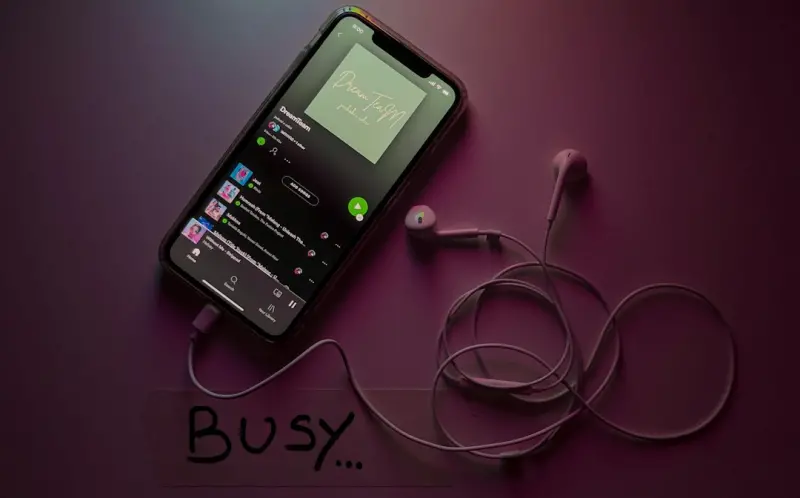
Why Social Audio Is the Next Frontier for B2B Marketers
When most marketers think about social media, they picture scrolling feeds, polished graphics, and the endless chase for likes. But there’s a quieter, more intimate space emerging that’s reshaping how brands converse with prospects: social audio. Platforms like Clubhouse, Twitter Spaces, LinkedIn Audio Events, and even Discord voice channels are turning the traditional broadcast model on its head. Instead of pushing content at an audience, you’re inviting them into a room, a conversation, a shared experience.
For a B2B SaaS company, this shift is a game‑changer. Decision‑makers are overloaded with whitepapers, webinars, and demo videos. A live, unscripted discussion cuts through the noise, builds trust faster, and positions your brand as a genuine thought leader—not just another vendor.
From “Talk Show” to “Thought Hub”: Crafting Your Audio Strategy
The first step is to reframe your mindset. Social audio isn’t a replacement for your existing channels; it’s an extension. Think of it as a “thought hub” where you can repurpose insights from other marketing activities and amplify them in a format that feels personal.
- Identify the core themes. Look at your most‑performing blog posts, case studies, and webinars. Which topics spark the most debate? Those are prime candidates for an audio deep‑dive.
- Map the audience journey. Use your existing buyer personas to decide where in the funnel an audio session adds the most value—awareness, consideration, or decision.
- Set clear objectives. Whether you aim to generate qualified leads, nurture existing prospects, or simply boost brand awareness, define measurable goals from the start.
By anchoring audio sessions to proven content pillars, you create a seamless experience for listeners who already recognize your brand’s expertise.
Choosing the Right Platform for Your Audience
Not all audio platforms are created equal. Each has its own culture, discoverability algorithm, and technical quirks. Here’s a quick rundown of the most relevant options for B2B marketers:
- Clubhouse. An invite‑only app that thrives on exclusivity. Ideal for high‑touch events like executive roundtables.
- Twitter Spaces. Leverages the existing follower base and offers easy promotion via tweets. Great for timely discussions tied to industry news.
- LinkedIn Audio Events. Directly taps into the professional network where many B2B buyers already spend their time. Supports native registration and post‑event analytics.
- Discord Voice Channels. Perfect for building a community that meets regularly, especially among tech‑savvy audiences.
Pick the platform that aligns with where your target personas already congregate. Don’t spread yourself thin; start with one and master its nuances before expanding.
Designing a Conversational Framework That Converts
Unlike a recorded webinar, social audio thrives on spontaneity—but that doesn’t mean you should go in unprepared. A loose script ensures you stay on message while allowing natural dialogue.
- Hook (3‑5 minutes). Open with a provocative question or a surprising statistic that resonates with the audience’s pain points.
- Storytelling Segment (10‑15 minutes). Share a real‑world case study or a customer success narrative. Turning Customer Stories into Local SEO Powerhouses demonstrates how storytelling can be leveraged across formats.
- Expert Panel (15‑20 minutes). Invite 2‑3 industry experts to discuss the topic, encouraging back‑and‑forth banter. This not only diversifies viewpoints but also expands your reach through each guest’s network.
- Interactive Q&A (10 minutes). Open the floor to live questions. Use the chat feature to gather topics in real time, ensuring the conversation stays relevant.
- Call‑to‑Action (2‑3 minutes). Offer a tangible next step—download a cheat sheet, schedule a demo, or join a private community.
This structure balances value delivery with a clear path toward conversion.
Repurposing Audio Gold: From Live Sessions to Evergreen Assets
One of the most underutilized advantages of social audio is its repurposing potential. A well‑executed session can fuel multiple downstream assets:
- Podcast Episodes. Edit the recording into a polished podcast that can be distributed on Apple Podcasts, Spotify, and other directories.
- Blog Posts. Transcribe the conversation and transform key takeaways into a long‑form article, enriched with quotes and data points.
- Social Snippets. Clip 30‑second highlights for use on TikTok, Instagram Reels, or LinkedIn video posts—perfect for driving traffic back to the full audio archive.
- Internal Knowledge Base. Summarize insights for sales enablement decks, giving your team fresh talking points straight from the field.
By treating each audio event as a multi‑channel content engine, you maximize ROI and keep the conversation alive long after the live room closes.
Measuring Success: Metrics That Matter Beyond Listeners
Traditional social media metrics—likes, shares, and follower counts—don’t paint the full picture for audio. Focus on outcomes that align with your business objectives:
- Registrations vs. Attendees. Track the conversion rate from sign‑up to actual participation.
- Engagement Duration. Average listening time indicates how compelling your content is.
- Lead Quality. Use post‑event surveys and gated content offers to capture qualified leads.
- Referral Traffic. Measure clicks from the audio platform to your website or landing pages.
- Sentiment Analysis. Apply natural language processing to chat logs to gauge audience mood and identify emerging topics.
These data points provide actionable insights that can be fed back into your broader marketing stack, informing everything from email nurture sequences to product roadmaps.
Integrating Audio with Your Existing Marketing Stack
To truly unlock the power of social audio, you need to connect it with the tools you already rely on. Here are three integration ideas that work well for SaaS companies:
- CRM Sync. Automatically push attendee information into your CRM (e.g., HubSpot or Salesforce) using webhook integrations. Tag contacts based on session topics for hyper‑personalized follow‑ups.
- Marketing Automation. Trigger drip campaigns after an audio event. For example, send a “Thank You” email with a link to the episode transcript, followed by a series of educational emails tailored to the discussed pain points.
- Analytics Dashboard. Consolidate audio metrics with website and email data in a unified dashboard. Predictive SEO techniques can be adapted to forecast which audio topics will generate the most qualified leads.
When audio data flows seamlessly into your existing ecosystem, you gain a 360‑degree view of the prospect journey.
Common Pitfalls and How to Sidestep Them
Even the most seasoned marketers can stumble when diving into social audio. Keep an eye out for these frequent missteps:
- Over‑production. Trying to make every session sound like a TV broadcast can strip away authenticity. Embrace the conversational tone.
- Ignoring Moderation. Unchecked live chats can derail discussions. Assign a dedicated moderator to field questions and keep the conversation on track.
- One‑off Events. Sporadic sessions fail to build momentum. Commit to a regular cadence—monthly or quarterly—to nurture a loyal audience.
- Neglecting Post‑Event Follow‑Up. The conversation ends when the room closes, but the relationship shouldn’t. Promptly share resources and next steps to keep the engagement alive.
By proactively addressing these challenges, you set the stage for sustainable growth through audio.
Future‑Proofing Your Social Audio Playbook
The social media landscape is in constant flux, and social audio is poised to become a staple of B2B communication. To stay ahead:
- Experiment with Formats. Combine solo “fireside chats” with panel discussions and interactive workshops.
- Leverage AI‑Driven Summaries. Use transcription services that automatically generate highlight reels and searchable notes, making content more accessible.
- Cross‑Pollinate with Emerging Channels. Blend audio with visual elements—e.g., live‑stream a video of the speaker while the audio feed continues on platforms like LinkedIn.
Adopting a test‑and‑learn mindset ensures your audio strategy evolves alongside audience preferences.
Conclusion: Turn the Mic Into a Lead‑Generating Magnet
Social audio offers B2B SaaS marketers a rare opportunity: a platform where expertise can be aired in real time, relationships can be forged through genuine conversation, and content can be repurposed across the entire marketing mix. By selecting the right platform, designing a purposeful conversational framework, and integrating the resulting data back into your stack, you transform a simple chat into a powerful lead‑generation engine.
Ready to amplify your brand’s voice? Start small, stay authentic, and let the conversations lead you to the next wave of growth.

When it comes to the world of blogging and writing, Rose DesRochers is a name that stands out. Her passion for creating quality content and connecting with her audience has made her a trusted voice in the industry. Aside from her skills as a writer and blogger, Rose is also known for her compassionate nature.
Related Posts

Stories: The Secret Weapon for SaaS Social Media Funnels
Ephemeral Stories on platforms like Instagram, LinkedIn, and Snapchat create urgency and authenticit... Read More

Interactive Live Shopping: Turning Real‑Time Video Into Your Next Sales Engine
Learn why live shopping is the new growth engine, how to craft authentic on‑air personas, and the ... Read More
The Empathy Upgrade: Turning Social Media Noise into Real Conversation
Learn why shifting from noisy broadcasts to empathetic dialogue is the secret to sustainable social ... Read More
Top Posts

Voice Commerce Is Redefining Online Retail
Voice commerce is transforming how shoppers discover and buy products. This article explores the rise of conversational shopping, practical optimization tips, a...Read More
Employee Advocacy: The Secret Weapon for SaaS Brands on Social Media
Learn why empowering employees to share authentic stories on social platforms can dramatically amplify a SaaS brand’s reach, trust, and lead generation, and h...Read More

Empowering Your Workforce: The Untapped Power of Employee Advocacy
Learn why employee advocacy is the missing link in modern social strategy, how to identify authentic internal voices, build a sustainable program, and measure t...Read More
Zero‑Click Search: Owning the SERP Snippet for Unstoppable Visibility
Zero‑click searches are reshaping visibility. This guide reveals how to dominate featured snippets, leverage People Also Ask, and deploy structured data so yo...Read More
0 Comments
Post Comment
You will need to Login or Register to comment on this post!