

Why Hyper‑Local Signals Matter More Than Ever
When I walk past the corner coffee shop in my hometown, I notice the subtle cues that tell Google which business truly belongs to the neighborhood – from the flickering neon sign to the community board plastered with flyers, each detail feeds a hyper‑local algorithm that is hungry for authenticity. Search engines now prioritize micro‑geographic relevance over generic city‑wide rankings, meaning that a boutique bakery on Maple Street can outrank a chain outlet on the main boulevard if it speaks the language of the block. This shift forces marketers to dig deeper than zip‑code targeting, encouraging them to map out foot traffic patterns, local event calendars, and even neighborhood sentiment expressed on neighborhood apps.
Building a Neighborhood Narrative on Your Google Business Profile
My first step is to treat the Google Business Profile (GBP) as a living storybook, not a static directory listing; every post, photo, and Q&A should reflect the rhythm of the streets that surround the business. By regularly sharing snapshots of local festivals, spotlighting nearby artisans, and answering community‑specific questions, the GBP becomes a magnet for residents who see their own experiences mirrored back at them. The privacy‑first SEO mindset teaches us to rely on first‑party signals – like review content and user‑generated photos – rather than third‑party data, which aligns perfectly with the trust‑based nature of neighborhood commerce.
Leveraging Community Partnerships for Earned Local Citations
Instead of chasing generic backlinks, I focus on cultivating genuine partnerships with local schools, chambers of commerce, and nonprofit events, because each collaboration yields a citation that feels organic to both users and search bots. When a downtown florist sponsors a charity run and earns a mention on the event’s official site, that link carries a locality tag that Google interprets as a vote of confidence from the community itself. These micro‑citations stack up, creating a robust citation profile that signals to the engine that the business is woven into the social fabric of the area, far beyond the reach of a typical directory listing.
Optimizing for Voice Search in the Context of Neighborhood Queries
Voice assistants have become the new neighborhood guide, answering queries like “Where can I get gluten‑free pastries near me?” – and they do so by favoring businesses that have optimized for conversational, hyper‑local language. To capture this traffic, I embed natural‑sounding phrases into the GBP description, FAQ schema, and even the website’s blog, ensuring that the content mirrors how locals actually speak when asking for a recommendation. By aligning keyword strategy with the cadence of spoken language, the business can appear at the top of voice‑driven results, which often bypass traditional SERP pages altogether.
Structured Data That Speaks the Language of the Block
Beyond the classic LocalBusiness schema, I add niche markup such as hasMap with an embedded Google Map centered on the storefront, and geoMidpoint coordinates that pinpoint the exact corner of the intersection where the shop sits. These subtle data points act like a GPS beacon for search engines, confirming the business’s physical presence down to the block level. When combined with event schema for local pop‑ups or workshops, the structured data paints a dynamic picture of a venue that is actively engaging with its immediate community, which can boost visibility in both organic and map‑pack results.
Encouraging Hyper‑Local Reviews That Boost Trust and Relevance
Reviews remain the cornerstone of local credibility, but the focus should shift from quantity to contextual relevance; a five‑star review that mentions “the rooftop garden seating on Oak Avenue” carries far more weight than a generic “great service” comment. I guide customers to incorporate neighborhood landmarks, street names, and local lingo into their feedback, which not only enriches the review text for search crawlers but also resonates with future patrons who recognize those references. This practice aligns with the broader trend of semantic relevance, ensuring that the business’s reputation is anchored in the lived experience of its immediate surroundings.
Mapping Neighborhood Influencers and Micro‑Communities
Just as macro‑influencers dominate global campaigns, micro‑influencers dominate the local scene; they are the neighborhood chefs, yoga instructors, and hobbyist bloggers whose recommendations travel fast across block‑wide WhatsApp groups and community forums. By identifying and collaborating with these hyper‑local voices, you generate authentic user‑generated content that Google interprets as high‑quality signals of community endorsement. A single Instagram story from a local runner club tagging the downtown bike shop can result in a cascade of social mentions, each reinforcing the shop’s relevance in the local search ecosystem.
Measuring Success with Hyper‑Local Metrics
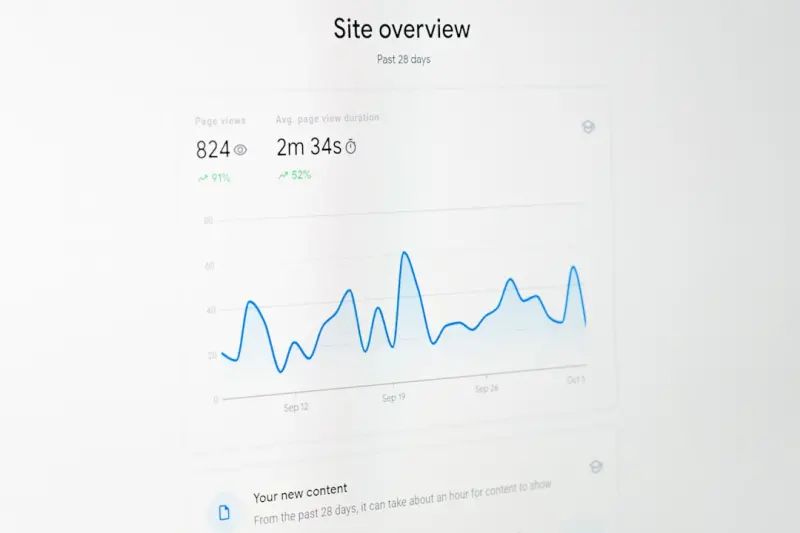
Traditional SEO dashboards often hide the nuances of neighborhood performance, so I supplement them with hyper‑local KPIs such as “store footfall from map‑pack clicks,” “review sentiment tied to specific street references,” and “conversion rates from voice‑search queries containing nearby landmarks.” By integrating these metrics into a custom reporting sheet, I can pinpoint which tactics are driving actual neighborhood traffic versus broader, less relevant clicks. This data‑driven approach mirrors the principles of Predictive SEO, allowing businesses to anticipate seasonal spikes tied to local events and adjust their strategies proactively.
The Future of Hyper‑Local SEO: Community‑First Automation
Looking ahead, the next wave of local optimization will likely involve AI‑powered tools that automatically generate neighborhood‑specific content, schedule GBP posts aligned with community calendars, and flag emerging micro‑trends from local social feeds. While automation promises efficiency, the human touch remains essential; authentic storytelling, genuine partnerships, and a deep understanding of the block’s culture cannot be replicated by algorithms alone. By balancing technology with a community‑first mindset, businesses can ensure they remain the go‑to choice for neighbors, even as search engines continue to refine their hyper‑local ranking signals.

When it comes to the world of blogging and writing, Rose DesRochers is a name that stands out. Her passion for creating quality content and connecting with her audience has made her a trusted voice in the industry. Aside from her skills as a writer and blogger, Rose is also known for her compassionate nature.
Related Posts
Neighborhood‑First SEO: Turning Local Search into SaaS Growth
Even cloud‑based SaaS firms thrive on local search. This guide shows how to treat Google Business ... Read More

Beyond the Map Pin: A Data‑Driven Playbook for Hyperlocal SaaS Growth
Learn how to map micro‑regions, craft localized landing pages, optimize Business Profiles, and com... Read More

Neighborhood Partnerships: A Fresh Playbook for Local SEO Success
Partnering with nearby shops, using geo‑fencing events, and sharing community data can reshape you... Read More
Top Posts

The SERP Revolution: How to Win the New Search Battlefield in 2024
Explore the latest SERP trends reshaping SEO, learn how intent‑first optimization and structured data boost visibility, and get actionable tips to future‑pr...Read More

Personalized SERPs: Turning Dynamic Search into Targeted Traffic
Learn to dominate modern SERPs by leveraging personalization, visual search, and voice optimization for higher engagement and traffic....Read More

The Intersection of Social Media and SEO: A Game-Changing Strategy
Learn how to dominate your online presence by leveraging the intersection of social media and SEO, and drive real results for your business....Read More

Empathy‑First Social Strategy: How Listening Turns Followers Into Loyal Customers
Learn how a listening‑first approach transforms casual followers into loyal brand advocates, boosting engagement and revenue through authentic, empathy‑driv...Read More
0 Comments
Post Comment
You will need to Login or Register to comment on this post!