
When I first rolled out a local campaign for a SaaS startup that helps coffee shops manage inventory, I quickly learned that “local SEO” isn’t a static checklist—it’s a living, breathing ecosystem that reacts to everything from city council decisions to the way a barista greets a customer. The old school playbook of claiming a Google Business Profile, sprinkling a few city names into your copy, and hoping for the best is now a relic. In today’s hyper‑connected neighborhoods, the battle for visibility happens in micro‑moments, on wearables, and even in the quiet hum of smart speakers.
Why Micro‑Moments Are the New Frontier for Local Search
Google’s definition of a micro‑moment is simple: a user turns to a device with intent, and the device delivers an answer in a split second. For local businesses, these moments are often hyper‑local—someone is standing on a street corner, checking the weather, and wondering, “Where can I grab a quick espresso before my meeting?” If your brand isn’t positioned to answer that exact query at that exact time, you’ve effectively handed the opportunity to a competitor.
Micro‑moments break down into four categories:
- Know‑When: The user wants quick factual information (“What’s the nearest open bakery?”).
- Go‑When: The user is ready to act (“Order a latte for pickup now”).
- Do‑When:** The user seeks a step‑by‑step guide (“How to set up a loyalty program in my shop”).
- Buy‑When:** The user intends to make a purchase (“Buy a subscription for inventory tracking”).
For SaaS companies serving local brick‑and‑mortar clients, each of these moments maps to a different piece of your SEO strategy. The trick is to orchestrate content, schema, and signals so they line up perfectly with each intent.
Building a Hyper‑Local Content Hub
One of the most underrated tactics is creating a content hub that lives at the intersection of industry expertise and local relevance. Instead of a generic “Best Practices for Inventory Management,” you might publish “How San Francisco’s Artisan Cafés Reduce Waste with Real‑Time Tracking.” This approach does three things:
- It injects geo‑specific keywords naturally, sidestepping keyword stuffing.
- It signals to search engines that you understand the local market’s nuances.
- It becomes shareable gold for local business groups, forums, and even city‑level newsletters.
When you pair these hubs with AI‑generated meta tags that adapt to the user’s location, you can automate the personalization that used to require manual copywriting for each city. The AI can pull in city names, landmarks, and even local slang, creating a sense of immediacy that resonates with the user.
Geo‑Fence Schema: Turning Technical SEO Into a Neighborhood Radar
Schema markup has matured beyond simple “LocalBusiness” types. Today, you can use geoFence extensions (still in experimental stages, but supported by most major search engines) to tell Google, “If the user is within a 2‑mile radius of 123 Main St., show this specific offer.” The implementation looks like this:
<script type="application/ld+json">
{
  "@context": "https://schema.org",
  "@type": "LocalBusiness",
  "name": "BrewMate Inventory SaaS",
  "address": {
    "@type": "PostalAddress",
    "streetAddress": "123 Main St",
    "addressLocality": "Portland",
    "addressRegion": "OR",
    "postalCode": "97201"
  },
  "geo": {
    "@type": "GeoCoordinates",
    "latitude": "45.523064",
    "longitude": "-122.676483"
  },
  "offers": {
    "@type": "Offer",
    "price": "0",
    "priceCurrency": "USD",
    "availability": "InStock",
    "url": "https://brewmate.com/portland-special"
  }
}
</script>
When combined with a robust location‑based ad retargeting strategy, you’re essentially turning each storefront into a digital billboard that only appears when a potential customer is physically nearby. It’s the digital equivalent of a local radio ad, but far more measurable.
Leveraging Community Partnerships for Link Authority
Back in the day, a local newspaper link was the gold standard for local SEO. Today, the “authority” landscape is more fragmented. Community chambers, niche industry meet‑ups, and even local podcasts can hand you high‑quality backlinks that Google trusts because they’re genuinely tied to the locale.
Instead of cold‑emailing for links, think partnership‑driven link building. Here’s a quick framework:
- Identify micro‑communities: Not just the Chamber of Commerce, but also “Portland Coffee Roasters Association,” “Seattle SaaS Meet‑up,” or “Austin Small Business Podcast.”
- Co‑create value: Offer a free webinar, a joint whitepaper, or a local case study that benefits both parties.
- Earn the link naturally: When the partner publishes the resource, they’ll naturally link back to your site as the source.
- Amplify on social: Share the collaboration on your brand’s channels and ask the partner to do the same. This multiplies the SEO signal.
This approach turns link building from a transactional chore into a relationship‑building exercise that feeds both brand awareness and SERP authority.
The Role of Hyper‑Local Reviews and User‑Generated Content
Reviews are still the single most influential local ranking factor, but the nuance lies in where those reviews live. A five‑star rating on Google is valuable, but a glowing testimonial on a neighborhood Facebook group or a comment on a city‑specific Reddit thread can tip the scales for hyper‑local queries.
Practical steps:
- Implement an automated review request that triggers after a SaaS user’s first successful month, but tailor the email to reference the user’s city (“Hey Seattle team, how’s the new inventory flow?”).
- Encourage customers to post on local platforms (Nextdoor, city subreddits, or local industry forums) by providing pre‑written snippets they can copy‑paste.
- Aggregate these reviews in a “Local Voices” carousel on your site, using
AggregateRatingschema to feed the data back to search engines.
By spreading the review signal across multiple local venues, you create a dense network of trust that Google interprets as strong local relevance.
Hyper‑Targeted Paid Local Boosts: When Organic Isn’t Enough
Even the most polished organic strategy can hit a ceiling, especially in saturated metros where dozens of businesses vie for the same “coffee shop inventory SaaS” keyword. A well‑orchestrated Geo‑Targeted PPC campaign can fill the gaps. Here’s how to keep the spend efficient:
- Use radius targeting: Set a 5‑mile radius around high‑value neighborhoods and allocate a higher bid for those zones.
- Layer ad extensions: Include location extensions, call‑now buttons, and sitelinks that point directly to a city‑specific landing page.
- Dynamic ad copy: Pull in the user’s location via ad customizers (e.g., “Portland cafés love our real‑time inventory alerts”).
- Cross‑device attribution: Track the path from mobile search → desktop research → in‑store sign‑up to understand the full conversion funnel.
The key is to treat paid local as an amplification layer, not a substitute for organic authority. When the two work in concert, you dominate the SERP “real estate” that the earlier post warned about, but from a hyper‑local angle.
Measuring Hyper‑Local Success: Beyond Rankings
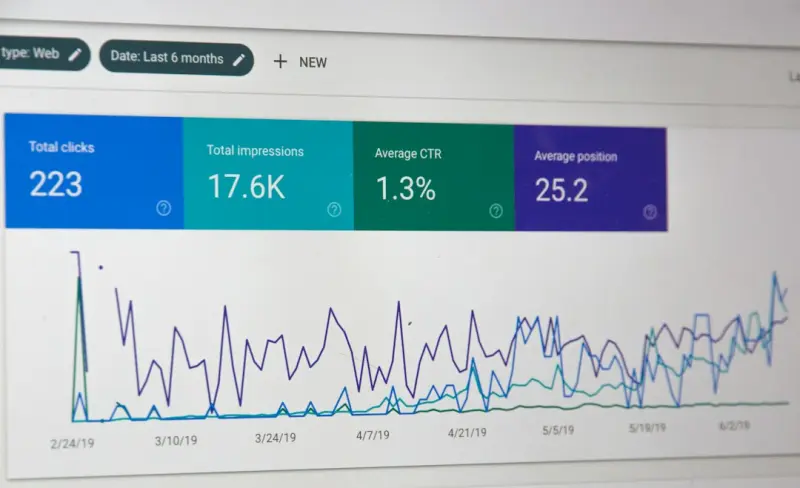
Traditional local SEO KPIs—rankings, clicks, and impressions—still matter, but they don’t paint the whole picture for SaaS companies whose customers often sign up after a longer deliberation period. Consider these additional metrics:
- Local Conversion Rate: The percentage of visitors from a specific zip code who complete the free‑trial sign‑up.
- Geo‑Segmented Churn: Track if users from certain neighborhoods have higher churn, which can signal gaps in local relevance.
- Community Referral Traffic: Use UTM parameters to measure traffic coming from local forums, newsletters, and partnership pages.
- Review Velocity: The rate at which new reviews appear in a given locale, indicating growing brand awareness.
By aligning these metrics with your broader business goals, you can iterate faster and prove ROI to stakeholders who might otherwise view local SEO as a “nice‑to‑have” rather than a revenue driver.
Future‑Proofing: Preparing for the Next Wave of Hyper‑Local Search
Two trends are already reshaping how local search works, and they’ll only accelerate:
- AR‑Enabled “Street View” Searches: Users will soon point their phones at a storefront and get instant data overlays, from inventory levels to subscription offers. Your API should be ready to feed that data in real time.
- Zero‑Touch Voice Commerce: Smart speakers will allow users to order services without ever lifting a finger. Embedding
Speakableschema and ensuring your FAQ content answers voice queries will be vital.
Investing now—by structuring data, building community links, and mastering micro‑moments—means you’ll be at the front of the line when these capabilities become mainstream.
Takeaway Checklist
- Map your audience’s micro‑moments and align content to each.
- Create hyper‑local content hubs that blend industry expertise with city‑specific insights.
- Implement geo‑fence schema to surface offers only when users are nearby.
- Focus on partnership‑driven link building with local organizations.
- Leverage hyper‑local reviews across multiple platforms and aggregate them with schema.
- Supplement organic efforts with hyper‑targeted paid campaigns that use dynamic, location‑aware ad copy.
- Track localized KPIs beyond rankings to demonstrate real business impact.
- Future‑proof your strategy for AR and voice‑first local search.
Local SEO isn’t a one‑size‑fits‑all checklist—it’s a living strategy that evolves as neighborhoods change, technology advances, and consumer habits shift. By treating each city block as a micro‑ecosystem, you’ll turn every coffee shop, boutique, and co‑working space into a potential gateway for your SaaS solution. The next wave of hyper‑local relevance is already rolling in; the question is, are you ready to ride it?

Tom Ferguson is a Canadian freelance writer with a passion for storytelling, current events, and thoughtful commentary. Drawing on years of writing experience, he shares engaging insights on a wide range of topics, bringing a uniquely Canadian perspective to his work.
Related Posts
How Empathy‑First Tactics Transform Local SEO for Real‑World Connections
Learn why empathy‑first strategies are the secret to local SEO success, from optimizing Google Bus... Read More

Capturing Hyperlocal Micro‑Moments: A New Playbook for Neighborhood SEO Dominance
Discover a fresh approach to local SEO that focuses on hyperlocal micro‑moments, from keyword rese... Read More

Local SEO in 2024: Brandy Miller’s Blueprint for Dominating Your Neighborhood
Brandy Miller reveals a 2024 local SEO playbook that blends mobile optimization, citation consistenc... Read More
Top Posts

Why Real-Time Social Experiments Are the Future of SaaS Growth
Learn how treating social media posts as hypotheses and using a fast experiment loop can transform your SaaS marketing, product development, and revenue growth....Read More

Why Short‑Form Video Communities Are the New Growth Engine for B2B Brands
Short‑form video isn’t just for TikTok dances—B2B marketers can use reels and TikTok clips to capture decision‑maker attention, shorten sales cycles, an...Read More

The Future of Digital Marketing: Navigating the Ever-Changing Landscape
The digital marketing landscape is constantly evolving. Stay ahead of the curve with the latest trends and strategies in mobile SEO, social commerce, and the in...Read More

Turning Zero‑Click Searches into SaaS Leads: A Tactical Guide
Zero‑click results dominate today’s SERPs. This guide shows SaaS marketers how to claim those spots with structured data, intent‑aligned content, and meas...Read More
0 Comments
Post Comment
You will need to Login or Register to comment on this post!