

Why Google’s AI is the New Frontier for SaaS SEO
When I first started tinkering with search, “keywords” were the holy grail. Fast forward a few years, and Google’s AI models—BERT, MUM, and now Passage Ranking—are rewriting the rulebook. For SaaS companies, this shift isn’t just technical jargon; it’s a strategic opportunity to get in front of buyers at the exact moment they’re asking for solutions you already have.
From Keywords to Intent: The Evolution of Search Understanding
Google’s early algorithms treated a query like a simple string of characters. Today, the engine parses intent, context, and even visual cues. BERT taught us that language is nuanced, while MUM (Multitask Unified Model) can synthesize information across text, images, and video. The result? A user who types “how to reduce churn in subscription SaaS” might see a passage extracted from a deep‑dive blog post, even if the overall article isn’t a direct match.
This means the traditional “single‑page ranking” mindset is outdated. Instead, think of each piece of content as a library of rankable passages—tiny, self‑contained answers that Google can surface independently.
Passage Ranking in Practice: A SaaS Playbook
Here’s how to future‑proof your SEO strategy for Google’s passage‑centric world:
- Map User Intent to Micro‑Topics. Break down your buyer journey into granular questions. For example, “What is a churn‑rate benchmark for B2B SaaS?” or “How does usage‑based pricing affect LTV?” Each question becomes a passage target.
- Structure Content for Skimmability. Use clear headings, sub‑headings, and bullet points. Google’s AI loves well‑structured markup because it can isolate relevant snippets faster.
- Optimize for Semantic Signals. While semantic SEO and structured data have been covered elsewhere, now is the time to double‑down on
FAQPageandHowToschema to surface those passages as rich results. - Leverage Internal Linking as Passage Pathways. Link directly to sections, not just whole pages. A link that points to
#churn‑benchmarktells Google that the passage is valuable on its own. - Monitor Passage Performance in Search Console. The “Performance” tab now shows page + query data, but you can also filter by “Search Appearance” to see how many impressions come from “Passage” results.
Content Creation: From Long‑Form to “Passage‑First” Writing
Don’t discard your in‑depth guides—they’re still essential for authority. Instead, re‑think their layout:
- Start with a “Passage Map.” Draft a list of the top 10‑15 micro‑questions your target audience asks. Each becomes a subheading.
- Write concise, answer‑first paragraphs. The first 2–3 sentences of each section should fully answer the question. Google can pull this as a passage without needing to scan the whole article.
- Support with data and examples. SaaS buyers love numbers—include charts, screenshots, and case studies right after the answer.
- End with a CTA that’s context‑specific. If the passage is about “reducing churn,” link to a product demo that addresses that pain point.
How MUM Expands the SEO Playbook
MUM isn’t just a text model; it can interpret images, audio, and video. For SaaS marketers, this opens a multi‑modal approach:
- Infographics as “passage‑friendly” assets. Add alt‑text that mirrors the micro‑question. Google can extract the data point from the image description.
- Short explainer videos. Host them on your site (not just YouTube) and use
VideoObjectschema. MUM can surface a specific timestamp that answers a user’s query. - Audio snippets. Consider a “podcast‑style FAQ” where each episode answers a single intent. Transcribe the audio for Google to index the text.
Testing and Iteration: The Role of Crawl Budgets
Even with passage ranking, you still need Google to discover and re‑crawl your content efficiently. If you’re not sure how to manage that, check out our guide on crawl budgets. The key takeaways for a passage‑first strategy are:
- Prioritize high‑intent passages on pages that already rank well; Google will re‑crawl them more frequently.
- Keep URL depth shallow. The closer a passage is to the root URL, the easier it is for Google’s AI to locate.
- Use server‑side rendering for dynamic content so that passages aren’t hidden behind JavaScript.
Measuring Success: Beyond Rankings
Passage ranking can surface your content even when the page itself doesn’t rank on the first page. Therefore, traditional SERP position metrics become less meaningful. Instead, track:
- Impression lift on specific questions. Search Console now lets you see which queries trigger passage impressions.
- Engagement downstream. If a user lands on a passage about “API rate limits,” monitor the subsequent navigation to your pricing or sign‑up page.
- Lead quality. Tag leads that originated from a passage‑type query and compare conversion rates against generic organic traffic.
Case Study: Turning a Knowledge Base into a Passage Engine
One of our SaaS clients had a sprawling knowledge base with thousands of articles. By applying the passage‑first methodology, they:
- Identified the top 50 user‑intent questions using search logs.
- Re‑wrote each answer to be self‑contained, added schema, and linked directly to the passage anchors.
- Observed a 38% increase in organic sessions from “how‑to” queries within three months.
If you haven’t yet treated your knowledge base as an SEO asset, read our deep dive on turning your SaaS knowledge base into an SEO powerhouse. The principles are identical—just applied at scale.
Future‑Proofing: Preparing for the Next AI Leap
Google’s AI roadmap hints at even richer multimodal understanding. Here’s how to stay ahead:
- Invest in data hygiene. Clean, well‑structured content will be easier for AI to parse.
- Experiment with “answer‑first” content formats. Think of each micro‑topic as a mini‑landing page.
- Keep an eye on Google’s official updates. The Search Central blog frequently announces new schema or ranking signals.
In short, the era of “keyword stuffing” is gone. Embrace the AI‑driven, passage‑centric world, and you’ll not only rank—you’ll become the go‑to answer for the very questions your prospects are asking.

Nikki McDonald is a freelancer based in Waterloo. She brings her skills and expertise to various projects, balancing her professional work with a personal life that includes her husband, Stewart.
Related Posts
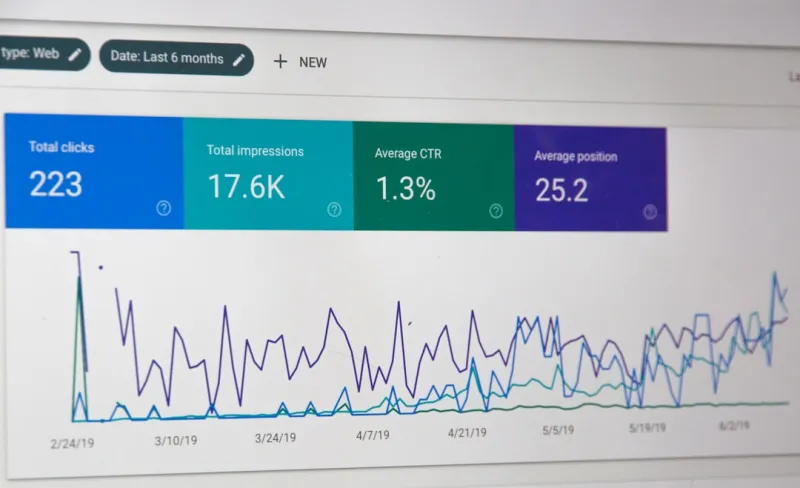
Google SEO Trends and Best Practices
Boost your online visibility with the latest Google SEO trends and best practices. Learn how to opti... Read More

The Evolution of Google SERPs: A Game-Changer for Online Visibility
Google SERPs have undergone significant changes, revolutionizing online visibility. Learn how to ada... Read More
Cracking the People Also Ask Box: A SaaS SEO Blueprint
Learn why the People Also Ask box is a hidden SEO goldmine for SaaS, and follow a step‑by‑step b... Read More
Top Posts
Chat-Driven Campaigns: How Conversational AI is Rewriting SaaS Marketing Playbooks
A deep dive into how chat‑powered experiences are reshaping SaaS marketing strategies, from lead capture to post‑sale advocacy....Read More
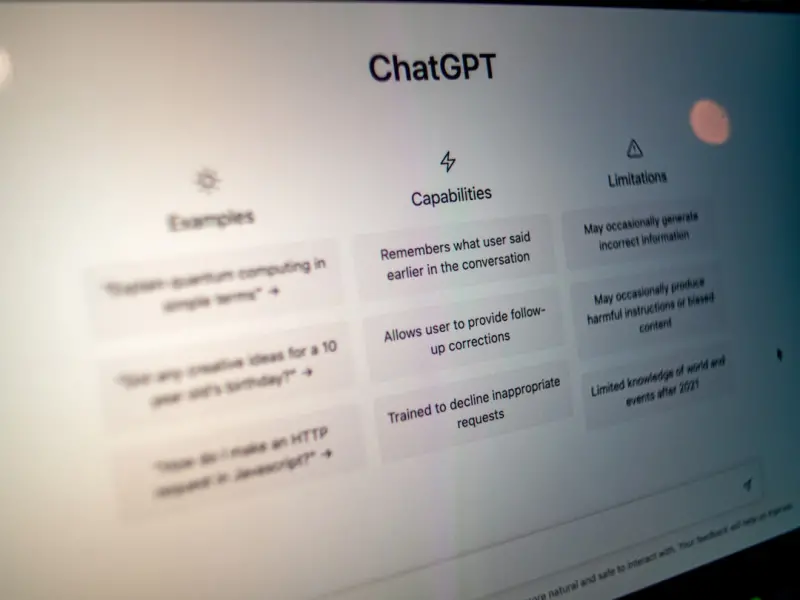
Conversational Commerce: Turning Chats and Voice Into Your Next eCommerce Superpower
Explore the rise of conversational commerce, learn practical steps to integrate chatbots and voice assistants, and see how AI-powered dialogue can turn everyday...Read More

Turning Up the Volume: Audio‑First Social Media Strategies for Modern Brands
Explore why audio is the new social frontier and learn practical steps to create, distribute, and measure voice‑driven content that deepens brand connections ...Read More

Gamified Content Experiences: A New Frontier for SaaS Digital Marketing
Learn how turning static SaaS content into gamified experiences can increase dwell time, improve lead quality, and seamlessly integrate with SEO and AI strategi...Read More
0 Comments
Post Comment
You will need to Login or Register to comment on this post!