
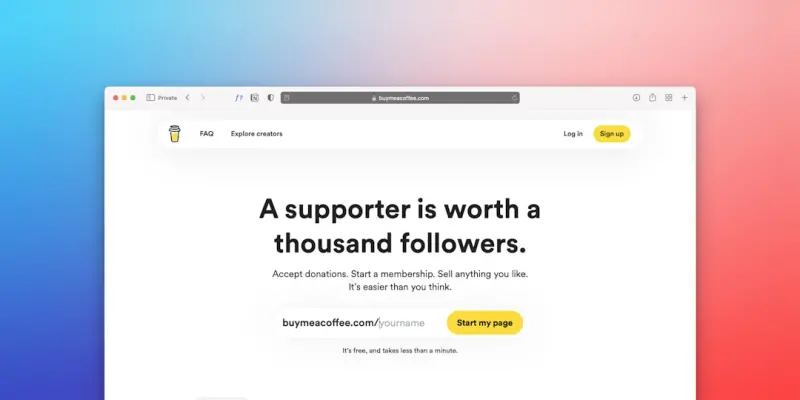
Why Employee Advocacy Is the Missing Piece in Your SaaS Social Strategy
When I first stepped into the world of B2B SaaS marketing, I quickly learned that the loudest voices on social media weren’t always the brand’s official accounts. They were the engineers sharing a code snippet, the support reps celebrating a happy customer, and the salespeople posting a win on LinkedIn. Those authentic, human moments have a magnetic pull that polished brand posts often lack. Today, I’m diving deep into why turning your own team into brand ambassadors isn’t just a nice‑to‑have—it’s a growth engine.
What Employee Advocacy Really Means
Employee advocacy is the practice of empowering every person in your organization to share vetted, brand‑aligned content on their personal social channels. It’s not about turning every employee into a sales rep; it’s about giving them the tools, guidelines, and incentives to amplify the stories that matter most to your audience.
- Authenticity. Audiences trust real people more than corporate logos.
- Reach. Each employee brings a unique network, expanding your footprint exponentially.
- Engagement. Personal posts tend to generate higher likes, comments, and shares than brand‑only updates.
When you combine these forces, you create a ripple effect that can boost brand awareness, generate high‑quality leads, and reinforce your company culture—all without a massive ad spend.
Why Traditional Social Tactics Are Falling Short
Most SaaS marketers have become experts at scheduling posts, running paid campaigns, and analyzing metrics. Those tactics are still essential, but they often operate in a vacuum. A brand’s official feed can feel distant, especially when prospects are looking for proof that a solution works in the real world. That’s where employee voices shine.
Think about it: a prospect scrolling through LinkedIn sees a post from a senior engineer discussing a recent product challenge and how the team solved it. The post isn’t a sales pitch; it’s a story. It builds credibility, answers an unasked question, and positions the company as a problem‑solver.
Getting Started: The Blueprint for a Scalable Program
Launching an employee advocacy program can feel daunting, but breaking it into manageable steps keeps the momentum going.
1. Secure Leadership Buy‑In
Executive sponsorship signals that the initiative is a strategic priority. Ask leaders to share a kickoff post—something as simple as “Excited to see our team amplify our story!”—to set the tone.
2. Choose the Right Platform
There are several SaaS‑friendly tools that streamline content distribution, track performance, and provide a library of pre‑approved assets. Look for solutions that integrate with your existing CRM and social scheduling tools to keep data flowing.
3. Curate Shareable Content
Not every piece of marketing collateral is suitable for personal shares. Focus on:
- Customer case studies that highlight real results.
- Behind‑the‑scenes videos of product development.
- Thought leadership articles that showcase industry expertise.
- Milestones like product launches, awards, or community involvement.
4. Provide Clear Guidelines
Offer a simple style guide that outlines tone, hashtags, and compliance considerations. A short checklist—Is it truthful? Is it relevant? Is it brand‑aligned?—helps employees feel confident.
5. Incentivize Participation
Gamify the experience with leaderboards, quarterly recognitions, or small rewards (gift cards, extra PTO, etc.). The goal is to celebrate wins publicly, reinforcing the habit of sharing.
6. Measure Impact Rigorously
Track metrics beyond vanity numbers. Look for:
- Referral traffic from employee posts.
- Lead quality and conversion rates linked to social referrals.
- Engagement ratios compared to brand‑only posts.
These data points will help you fine‑tune the program and demonstrate ROI to stakeholders.
Real‑World Success Stories
One of our SaaS partners launched an employee advocacy pilot with just 15 volunteers. Within three months, the brand’s LinkedIn follower count grew by 35%, and inbound demo requests from social referrals increased by 22%. The secret? Empowering engineers to share technical deep‑dives and support reps to highlight customer success moments.
Another case study involved a sales team that began posting short, personal videos answering common prospect questions. Those videos were repurposed into a mini‑library of authentic content that performed better than the original webinars in terms of watch time and lead generation.
Overcoming Common Concerns
It’s natural to worry about brand consistency, legal compliance, or the time commitment required from employees. Here’s how to address each:
Brand Consistency
Provide a “content vault” where employees can pull pre‑approved images, copy, and hashtags. This reduces the friction of creating posts while preserving brand voice.
Legal & Compliance
Work closely with your legal team to develop a quick‑approval workflow for any content that touches regulated topics. Most platforms allow you to flag posts for review before they go live.
Time Management
Keep the process lightweight. A good rule of thumb is one share per week per employee. The impact compounds quickly, especially as more team members join the program.
Amplifying the Program with Emerging Social Formats
While the core of employee advocacy revolves around text and image posts, new formats can add extra sparkle. For instance, social audio rooms let employees host informal Q&A sessions, creating a real‑time dialogue with prospects.
Similarly, short, vertical videos on platforms like TikTok or Reels—when done authentically—can capture a younger segment of decision makers who appreciate bite‑size, behind‑the‑scenes glimpses of company culture.
Integrating Advocacy with Your Overall Marketing Funnel
Employee advocacy should not exist in isolation. Align it with your existing inbound and outbound strategies:
- Top of Funnel. Use employee shares to drive traffic to educational blogs and gated ebooks.
- Middle of Funnel. Have sales engineers post case studies that nurture leads.
- Bottom of Funnel. Let customer success managers share product‑specific tips that reinforce the value proposition during the decision phase.
By weaving advocacy into each stage, you ensure a seamless experience for prospects who encounter your brand across multiple touchpoints.
Future‑Proofing: The Long‑Term Vision
As social platforms evolve, the line between personal and professional content continues to blur. Employees will increasingly become the face of the brand in digital spaces. Investing in advocacy now positions your company to ride that wave, turning organic conversation into a sustainable growth channel.
Remember, the goal isn’t to replace your marketing team—it’s to amplify their work with genuine human voices. When your engineers, support reps, and salespeople start sharing the stories you’ve crafted, the narrative becomes richer, more credible, and undeniably powerful.
Action Steps to Kickoff Your Program Today
- Gather leadership and define clear objectives (e.g., increase referral traffic by 20%).
- Select an advocacy platform that integrates with your existing tech stack.
- Curate a starter library of 10‑15 shareable assets.
- Identify 20 enthusiastic employees across departments for a pilot.
- Launch with a kickoff announcement and a simple guide.
- Track the first month’s metrics and share wins company‑wide.
By following these steps, you’ll set the stage for a thriving employee advocacy ecosystem that fuels your SaaS growth for years to come.

Paula Wright writes from her home in Toronto Ontario, where she lives with her husband, Steve, and their two children. Driven by curiosity and a passion for storytelling, Paula loves to uncover the "why" and "how" behind every topic she covers. Her writing is fueled by her adventures; when she’s not at her desk, you’ll find her out on the road, camping under the stars, or wandering a new trail. Paula brings a sense of discovery and a fresh, real-world perspective to everything she writes for us.
Related Posts
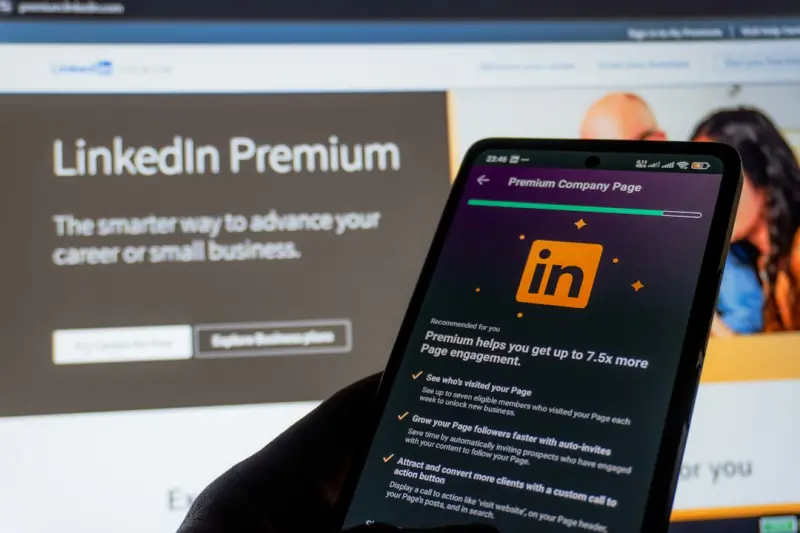
From Complaints to Champions: Social Media Customer Service That Converts
Discover a fresh strategy for turning public complaints on social platforms into powerful brand advo... Read More
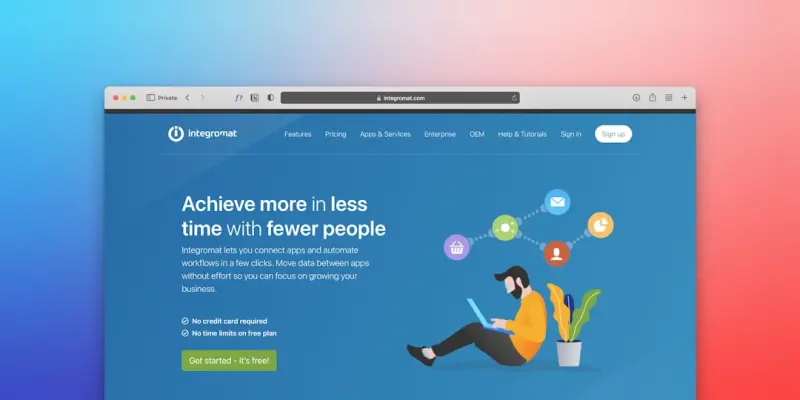
How Social Listening Fuels SaaS Innovation and Growth
Social listening isn’t just about tracking mentions; it’s a strategic engine that uncovers realâ... Read More

Why Ephemeral Content Is the Secret Weapon for B2B SaaS Growth
Ephemeral content—short‑form stories on platforms like Instagram, LinkedIn, and Facebook—offer... Read More
Top Posts
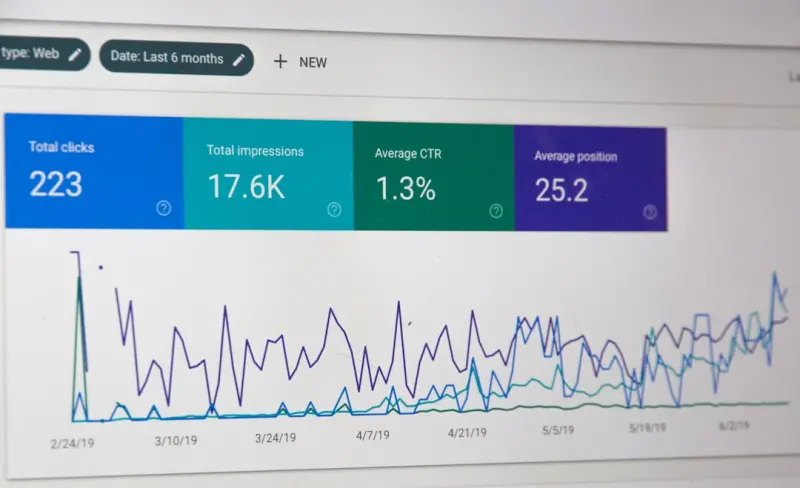
Serverless SEO: Making Headless SaaS Apps Crawl‑Friendly
A deep dive into the technical SEO challenges of serverless SaaS apps, offering a step‑by‑step roadmap—hybrid rendering, smart headers, dynamic sitemaps, ...Read More

Beyond Keywords: Mastering Google’s Generative Search for SaaS Growth
Google’s Search Generative Experience reshapes SEO for SaaS. This post outlines how to adapt content, leverage structured data, and track new AI‑driven metr...Read More

Privacy‑First SEO: Building Rankings When Data Is Limited
Discover actionable, privacy‑first SEO strategies that replace invasive tracking with first‑party signals, smart content clusters, and ethical analytics for...Read More

Human‑Centric Social Media Marketing: Turning Conversations into Conversions
Discover why human‑centric social media strategies outperform algorithms, with actionable insights on storytelling, community building, and measuring authenti...Read More
0 Comments
Post Comment
You will need to Login or Register to comment on this post!