
Why the SERP is No Longer a Static List—It’s a Dynamic Playground
When I first started optimizing SaaS content, the search results page felt like a static billboard: ten blue links, a few ads, and maybe a featured snippet if you were lucky. Fast‑forward to today and that billboard has turned into a bustling marketplace with live demos, interactive widgets, AI‑generated answers, and hyper‑personalized recommendations. If you’re still treating the SERP as a monolithic list, you’re missing out on the most valuable real‑estate on the web.
The Rise of “Feature‑First” SERPs
Google’s algorithmic evolution isn’t just about ranking better; it’s about what appears on the page. Over the past few years we’ve seen:
- People Also Ask (PAA) boxes that turn a single query into a mini‑FAQ.
- Featured Snippets that answer a question in a single paragraph, often pulling in data tables.
- Knowledge Panels that act as a digital business card for brands.
- Local Packs, Video Carousels, and Shopping Results—all interwoven into the same vertical.
Each of these “features” is a micro‑SERP in its own right, and each offers a distinct pathway for SaaS companies to capture attention, generate leads, and shorten the sales cycle.
Mapping the SERP Feature Landscape
The first step is to map out which features are relevant to your product category and buyer intent. Not every SaaS solution will benefit from a video carousel, but a project‑management platform might thrive in a FAQ snippet that solves “How do I track team progress?” Meanwhile, an AI‑powered analytics tool could dominate a knowledge panel that showcases key metrics and integrations.
Use a systematic audit to answer three questions for each SERP feature:
- Relevance: Does the feature align with a high‑value search intent?
- Control: Can we influence the content that appears (e.g., by structuring our data or creating dedicated pages)?
- Impact: What is the estimated lift in CTR or conversion rate when the feature is present?
This framework helps you prioritize effort and avoid chasing vanity metrics that don’t move the needle.
Feature‑First Content: Designing for the SERP, Not the Blog
Traditional SEO often starts with a long‑form article and then hopes it climbs the rankings. Feature‑first content flips that model: you design the content directly around the SERP element you want to win.
- FAQ Snippets (People Also Ask) – Write concise, question‑driven subheadings that directly answer common queries. Use schema markup (
FAQPage) to give Google a clean data feed. - Featured Snippets – Structure answers in a
<table>or<ul>format within a short paragraph (< 40 words). Highlight the exact phrase you want to rank for early in the answer. - Knowledge Panels – Optimize your
Organizationschema, claim your Google Business Profile, and feed consistent NAP (Name, Address, Phone) data across the web. - Video Carousels – Publish short, captioned videos that solve a specific problem. Include a transcript on the page to boost textual relevance.
When you design with the feature in mind, you reduce the “gap” between what Google wants to show and what you’ve built, dramatically increasing your odds of winning that coveted real‑estate.
Data‑Driven Prioritization: From Impressions to Leads
Not all SERP features are created equal. A People Also Ask box that appears for a high‑intent query can generate a 25% lift in organic clicks, whereas a Local Pack might be irrelevant for a B2B SaaS that doesn’t have a physical storefront.
Use the Semantic Intent Mapping Guide to segment your keyword portfolio into three buckets:
- Transactional Intent – Users ready to buy or start a trial.
- Informational Intent – Users researching a problem or solution.
- Navigational Intent – Users looking for a specific brand or product.
Match each bucket to the SERP feature that best serves that intent. For example, transactional queries often benefit from Featured Snippets that surface pricing tables, while informational queries thrive in PAA boxes that guide the user through a decision tree.
Technical Foundations: Structured Data & Page Speed
Even the best‑crafted content will fall flat if the page fails to meet Google’s technical standards. Two non‑negotiables for feature‑first success are:
- Schema Markup – Implement the appropriate
FAQPage,HowTo, orProductschemas. Test with Google’s Rich Results Test to verify eligibility. - Core Web Vitals – A slow, janky page can disqualify you from many SERP features. Aim for a
LCPunder 2.5 seconds and aCLSbelow 0.1.
Think of structured data as the “blueprint” that tells Google how to display your content, and page speed as the “construction quality” that ensures the blueprint is executed flawlessly.
Leveraging AI‑Generated Search Signals
Google’s AI models are now evaluating “search signals” beyond keywords—semantic relevance, user engagement, and even brand trust. To stay ahead, integrate AI‑driven insights into your content pipeline. The AI‑Driven Search Signals post outlines how to surface latent topics from your own data and align them with emerging SERP features.
Case Study: Turning a PAA Box into a Lead Magnet
One of our SaaS clients—an enterprise‑grade security platform—was struggling to break into the “cloud security” keyword cluster. By auditing the SERP, we discovered a recurring PAA question: “What are the best practices for securing multi‑cloud environments?”
- We created a dedicated, schema‑rich
FAQPagethat answered the question in 38 words, using bullet points for each best practice. - We embedded a short explainer video (under 45 seconds) and a CTA to download a detailed whitepaper.
- Within two weeks, the PAA box appeared on the first page for the target query, driving a 3.2× increase in organic CTR and a 1.8× rise in qualified MQLs.
The key takeaway? A single SERP feature, when purpose‑built, can become a high‑quality lead magnet without any paid spend.
Measuring Success: Beyond Rankings
Traditional SEO dashboards focus on keyword rankings and organic traffic. For feature‑first optimization, you need a new set of KPIs:
- Feature Impressions – How often does your content appear in a specific SERP feature?
- Feature Click‑Through Rate (FCTR) – The ratio of clicks to feature impressions.
- Lead Conversion Rate from Feature – Track downstream actions (form submissions, demo requests) that originate from a feature click.
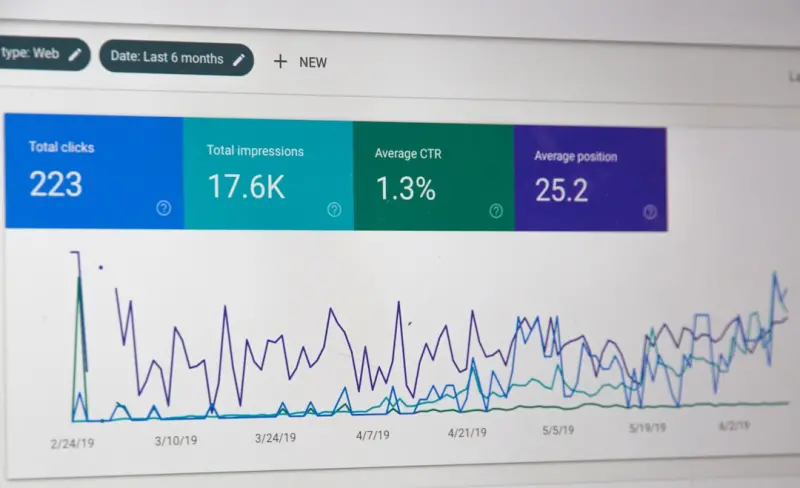
Google Search Console now surfaces feature‑level data, making it easier to monitor these metrics and iterate quickly.
Future‑Proofing: Preparing for the Next SERP Evolution
The SERP will continue to evolve. Upcoming experiments include:
- AI‑Generated “Answer Communities” that aggregate multiple expert viewpoints into a single scrollable panel.
- Interactive Comparison Widgets that let users toggle features side‑by‑side without leaving the page.
- Voice‑First SERP Overlays that surface answers in a concise audio format for smart speakers.
By adopting a feature‑first mindset now, you’ll be positioned to plug into these innovations as they roll out, rather than scrambling to retrofit your content.
Action Plan: 5 Steps to Dominate SERP Features This Quarter
- Audit Current Feature Presence – Use Search Console to identify any existing impressions in PAA, snippets, or panels.
- Prioritize High‑Impact Queries – Leverage the Visual SERP Real Estate Playbook to map high‑value queries to the most lucrative SERP features.
- Build Feature‑First Content – Draft pages that answer questions directly, include structured data, and embed multimedia where appropriate.
- Optimize Technical Foundations – Validate schema, improve Core Web Vitals, and ensure mobile‑first rendering.
- Monitor, Test, Iterate – Track feature impressions and FCTR weekly, run A/B tests on answer formats, and double down on winners.
Follow these steps, and you’ll see the SERP transform from a passive traffic source into an active lead‑generation engine.
Wrapping Up
The SERP is no longer a static list of links; it’s a multi‑dimensional arena where the smartest SaaS brands are already staking claim. By shifting from “ranking for keywords” to “winning SERP features,” you align your content strategy with the very way users consume information today. The result? Higher visibility, more qualified clicks, and a faster path from search to conversion.

Tom Ferguson is a Canadian freelance writer with a passion for storytelling, current events, and thoughtful commentary. Drawing on years of writing experience, he shares engaging insights on a wide range of topics, bringing a uniquely Canadian perspective to his work.
Related Posts

Why the SERPs Are Turning Human: A Marketer’s Insider Playbook
Discover why search results feel more personal than ever and get insider tactics to align your SEO w... Read More

Testing the Unseen: How SERP Experiments Unlock Hidden Traffic
Discover a step‑by‑step framework for treating the search results page as a testable product, fr... Read More

Riding the SERP Wave: Paula Wright’s 2024 Playbook for Dominating Search Results
Paula Wright reveals how to dominate today’s dynamic SERPs with AI‑driven snippets, smart schema... Read More
Top Posts

Empathy‑Driven SEO: How to Turn Human Insight into Rankings
A fresh look at SEO that puts people first. Learn how empathy, intent mapping, and genuine link building can transform rankings into real, sustainable growth....Read More

Predictive Social Media Planning: The Next Growth Engine for SaaS
Discover a step‑by‑step framework for building a predictive social media engine that turns emerging trends into timely, high‑impact content, aligning mark...Read More

Beyond Rankings: Mastering the New Multi‑Modal SERP Landscape
Explore cutting‑edge tactics—from AI‑generated snippets to interactive SERP widgets—that empower brands to dominate the evolving, multi‑modal search r...Read More

Conversational Marketing: How Chatbots Are Redefining SaaS Lead Generation
Conversational marketing turns static website visits into dynamic, real‑time dialogues, helping SaaS companies capture higher‑quality leads, personalize exp...Read More
0 Comments
Post Comment
You will need to Login or Register to comment on this post!