

From the Inside Out: How Employee Advocacy Supercharges Your Social Media Marketing
When I first stepped into the SaaS arena, I was dazzled by the glossy case studies about paid ads, influencer campaigns, and viral TikTok dances. Yet, every time I asked a senior marketer how they truly generated the most authentic buzz, the answer was almost always the same: their own people. Your employees are not just the backbone of your product—they’re also a goldmine of trusted voices that can amplify your brand in ways no agency ever could.
In this post, I’ll walk you through the why, the how, and the measurable outcomes of turning your workforce into a high‑impact social media engine. You’ll walk away with a practical, step‑by‑step playbook you can start deploying tomorrow, plus a few proven tactics for measuring success without drowning in data.
Why Employee Advocacy Beats Traditional Influencer Marketing (Most of the Time)
Traditional influencer marketing can be effective, but it’s also fraught with challenges for B2B SaaS brands:
- Credibility Gap: Audiences often view paid influencer posts as promotional, especially when the influencer lacks deep domain expertise.
- Cost Barrier: Top‑tier influencers command six‑figure fees, which can quickly eat up a startup’s marketing budget.
- Misaligned Messaging: Influencers may not fully grasp your product’s nuances, leading to generic or inaccurate messaging.
In contrast, employee advocacy offers:
- Built‑in Trust: Employees already have relationships with existing customers, prospects, and industry peers.
- Cost‑Effective Scale: A single employee’s post can reach hundreds, if not thousands, of personal connections without additional ad spend.
- Deep Product Knowledge: Your team lives and breathes the product, making their stories richer and more credible.
That’s not to say you should abandon influencer work entirely. Rather, think of employee advocacy as the foundational layer of your social media strategy—a steady, authentic pulse that can be amplified with occasional influencer bursts when you need a quick lift.
Step 1: Secure Executive Buy‑In (And Make It a KPI)
The most successful advocacy programs start at the top. When CEOs and CROs publicly champion the initiative, participation spikes. Here’s how to lock in that support:
- Present the Business Case: Highlight case studies that show a 3‑5× lift in content reach when employees share posts.
- Tie to Existing Goals: Align advocacy metrics with revenue targets, churn reduction, or brand awareness KPIs.
- Allocate Resources: Budget for a dedicated advocacy platform, content creation support, and a modest incentive program.
Remember, if it’s not a KPI, it won’t get priority. Make “% of employees actively sharing brand content” a quarterly metric that rolls up into the executive dashboard.
Step 2: Choose the Right Platform (And Keep It Simple)
There’s a temptation to build a custom solution, but the market already offers several user‑friendly tools that integrate with existing SSO, analytics, and content libraries. Look for platforms that provide:
- One‑click sharing to LinkedIn, Twitter, and Facebook.
- Pre‑approved content buckets (blog posts, product updates, thought leadership).
- Gamified leaderboards to spark friendly competition.
Even if you start with a free solution like a private Slack channel or a simple Google Drive folder, the key is consistency—employees need a predictable place to find shareable assets.
Step 3: Curate Shareable Content That Speaks Their Voice
Don’t force a corporate tone onto your team. Instead, give them modular content they can remix:
- Micro‑Stories: 150‑character “quick wins” snippets that employees can personalize with a short intro (“I’m proud to share…”) and a hashtag.
- Visual Snippets: Branded quote graphics, short GIFs, or data visualizations that are ready to post.
- Thought‑Leadership Nuggets: Links to your latest blog, whitepaper, or webinar, accompanied by a suggested hook (“Our latest research shows…”).
When you give employees a “starter kit” that feels like a conversation starter rather than a script, adoption rates soar.
Step 4: Empower Employees With Training and Social Guidelines
Even the most enthusiastic team members can feel uneasy about posting on behalf of the brand. A short, interactive onboarding session—ideally led by your communications lead—can demystify the process:
- Explain the brand’s voice and tone in a few bullet points.
- Show real examples of high‑performing employee posts.
- Cover compliance basics (e.g., NDA, data privacy, FTC disclosure).
Offer a cheat sheet that outlines do’s and don’ts, plus a quick FAQ for common concerns like “Can I share competitor news?” or “What if I’m not comfortable posting about a product feature?”
Step 5: Incentivize Without Turning It Into a Competition
Gamification works when it feels like a celebration rather than a pressure cooker. Consider these low‑key incentives:
- Monthly Shout‑Outs: Highlight top sharers in the company newsletter.
- Learning Credits: Offer a small budget for professional development to those who consistently hit sharing targets.
- Team‑Based Goals: Set a department-level sharing quota and reward the whole team when it’s met.
By keeping the focus on collective impact, you avoid the “who’s winning?” trap that can demotivate quieter contributors.
Step 6: Measure, Iterate, and Celebrate Wins
Metrics should be both quantitative (reach, clicks, leads) and qualitative (sentiment, brand perception). Here’s a simple reporting cadence:
- Weekly Dashboard: Track total shares, average engagement per post, and top-performing content types.
- Monthly Deep‑Dive: Correlate advocacy‑driven traffic with MQLs and SQLs, using UTM parameters to isolate the source.
- Quarterly Review: Present case studies of deals that originated from an employee post—these stories become powerful internal evangelism.
Celebrate each milestone publicly; it reinforces the program’s value and nudges the next wave of participants.
Real‑World Example: Turning a “Product Update” Into a Community Conversation
Last quarter, my team launched a new feature that helped users automate onboarding workflows. Instead of a generic press release, we:
- Created a short, 30‑second video demo.
- Provided a private social community template where employees could host live Q&A sessions.
- Encouraged product managers and support engineers to share personal anecdotes about how the feature solved a real client problem.
The result? Within two weeks, the video amassed 12,000 organic views across LinkedIn and Twitter, and three new leads directly attributed their interest to an employee’s post. The advocacy program accounted for a 27% uplift in feature‑related traffic compared to the previous release.
Integrating Predictive Audience Segmentation for Even Sharper Targeting
One advanced tactic that can turbocharge your advocacy efforts is pairing employee shares with predictive audience segmentation. Here’s how it works:
- Identify High‑Value Segments: Use your CRM and analytics stack to flag accounts that are most likely to convert based on past behavior.
- Match Employees to Segments: Align sales reps, CSMs, and product specialists who have existing relationships with those accounts.
- Tailor Shareable Assets: Provide segment‑specific content (e.g., case studies for enterprise prospects, ROI calculators for mid‑market).
When employees post content that resonates with a pre‑qualified audience, the click‑through and conversion rates can double—because the message lands in a context where it already matters.
Common Pitfalls and How to Avoid Them
Pitfall #1: Over‑Loading Employees – Bombarding staff with daily content requests leads to fatigue. Solution: Limit required shares to 1‑2 per week and let them choose the timing.
Pitfall #2: Ignoring Platform Nuances – A LinkedIn article won’t perform the same as a TikTok clip. Solution: Offer platform‑specific guidelines and pre‑formatted assets.
Pitfall #3: Measuring Only Vanity Metrics – Likes and follows feel good but don’t move the needle. Solution: Tie every post to a downstream action (UTM‑tracked landing page, demo request, newsletter signup).
Future‑Proofing Your Advocacy Program
Social media ecosystems evolve rapidly. To keep your employee advocacy engine humming:
- Stay abreast of emerging platforms (e.g., Threads, Discord for B2B) and pilot small tests with willing employees.
- Refresh your content library quarterly to reflect product updates, market trends, and new brand narratives.
- Continuously solicit feedback from participants—what’s working, what feels awkward, and what tools they need.
When you treat advocacy as a living, breathing part of your culture, it becomes a self‑reinforcing loop: employees share, prospects engage, deals close, and the team feels proud of the impact they helped create.
Takeaway Checklist
- Secure executive sponsorship and embed advocacy into KPI dashboards.
- Select a user‑friendly sharing platform with one‑click posting.
- Provide modular, brand‑aligned content that employees can personalize.
- Offer concise training and clear social guidelines.
- Introduce low‑key incentives that celebrate collective success.
- Track both quantitative and qualitative outcomes, and share wins company‑wide.
- Leverage predictive audience segmentation to match content with high‑value prospects.
- Iterate regularly based on employee feedback and platform shifts.
By empowering your people to become authentic brand ambassadors, you’ll unlock a social media engine that’s more credible, cost‑effective, and scalable than any external campaign. It’s not just about louder noise—it’s about the right voices, at the right time, speaking the language your audience already trusts.

Kelly Reynolds is a dynamic freelance writer hailing from the picturesque landscapes of Alberta. A master of the written word, she juggles her passion for storytelling with the exhilarating chaos of being a mother to five spirited children. With an impressive portfolio that spans various genres, Kelly captivates readers through her engaging blog posts and thought-provoking articles.
Related Posts

The Intersection of Social Media and SEO: A Winning Strategy
Learn how to leverage the intersection of social media and SEO to boost your online visibility, driv... Read More

Micro‑Communities and Live Storytelling: The Next Evolution in Social Media Marketing
Learn the blueprint for leveraging micro‑communities, live storytelling, and micro‑influencer co... Read More

AI‑Generated Video Shorts: The Next Growth Hack for SaaS Social Marketing
AI‑generated short videos transform complex SaaS solutions into bite‑size, high‑impact social ... Read More
Top Posts

Mobile‑First SEO: How to Win on the Small Screen
Mobile users dominate search, and Google now indexes the mobile version first. This post reveals practical tactics—from Core Web Vitals and PWAs to app indexi...Read More
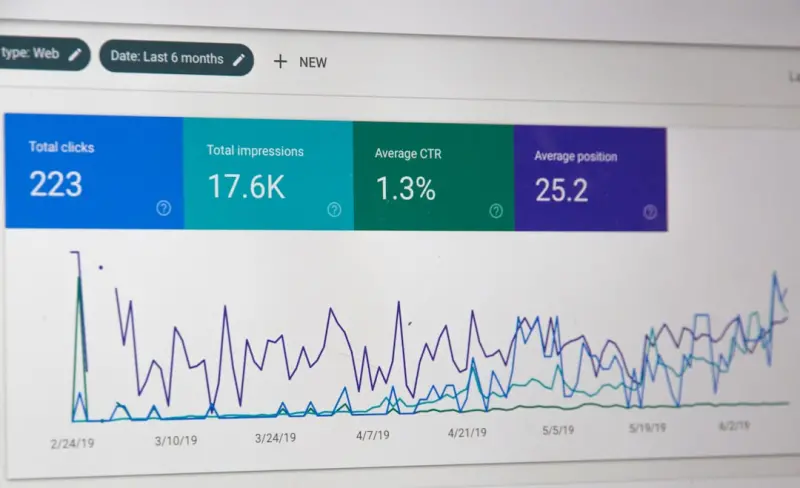
Beyond the Blue Links: Rethinking SERP Strategy for Real‑World Impact
Explore fresh SERP tactics—AI‑generated answers, schema‑driven rich results, and feature stacking—to boost click‑through rates and dominate search rea...Read More
Social Media Marketing in 2024: Deb Roberts’ Playbook for Real‑World Growth
Deb Roberts shares a 2024 social media playbook, covering short‑form video, community building, data‑driven tactics, and future‑proofing tips to turn enga...Read More

The Impact of Social Media on Local SEO in 2024
Social media has become a crucial component of local SEO in 2024. Learn how to optimize your social media presence to improve your local search rankings and dri...Read More
0 Comments
Post Comment
You will need to Login or Register to comment on this post!