
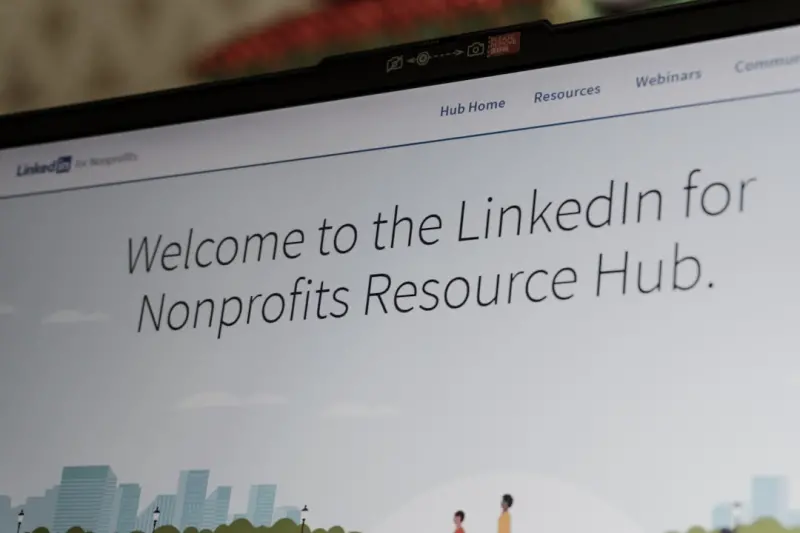
Why Community‑Driven Content Hubs Are the Quiet Superstars of Modern Link Building
When most SEO teams talk “link building,” the conversation instantly veers toward guest posts, broken‑link outreach, or a slick product‑centric campaign. I love those tactics—they’re the tried‑and‑true playbook. But after years of watching the SERP landscape wobble under algorithmic tides, I’ve learned that the most resilient backlinks often sprout from places you’d never suspect: thriving, niche‑specific communities.
Think of a community‑driven content hub as a living, breathing knowledge base that belongs to a tribe, not a brand. It’s a place where members ask questions, share solutions, and co‑create resources that the broader internet can’t find anywhere else. When that hub becomes a recognized authority, every piece of content inside it turns into a natural link magnet.
The Core Difference: Authority Built on Shared Value, Not Brand Pitch
Traditional outreach asks a webmaster, “Can you link to us?” A community hub asks, “Can we help you solve X?” The shift is subtle but seismic. Instead of positioning your brand as the solution, you position the community as the solution. When members cite a hub’s resource in a blog, whitepaper, or forum, the backlink is earned—pure, unforced, and highly contextual.
In practice, this means you’re not fighting for a spot on a third‑party site; you’re creating a destination that others want to reference. The backlink profile that emerges is:
- Diverse. Links come from forums, niche newsletters, industry podcasts, and even academic papers.
- Relevant. Since the hub’s content is tightly scoped, every link is topically aligned.
- Durable. Communities evolve, but the core knowledge base remains, preserving link equity over the long term.
Step‑One: Identify the Tribe That Already Exists (Or Start One)
Before you launch a hub, you need to locate the tribe that cares enough to engage regularly. Use tools like Reddit, niche Slack channels, LinkedIn groups, or even Discord servers. The goal is to find a conversation hub where members are already swapping tips and resources.
Ask yourself:
- What are the biggest pain points they discuss?
- Which topics generate the most activity?
- Are there gaps in the existing knowledge that your expertise can fill?
If a suitable community doesn’t exist, consider creating one. Platforms such as Research Partnerships: A Sustainable Link Building Playbook demonstrate how a well‑moderated forum can attract scholars, practitioners, and influencers—all eager to contribute and link back to high‑quality content.
Step‑Two: Seed the Hub With Link‑Ready Assets
Now that you’ve either joined or built a community, it’s time to populate it with assets that are both useful and linkable. Here are three formats that consistently attract backlinks:
- Interactive Decision Trees. A visual guide that helps users choose the right SaaS feature based on specific criteria. When members embed the tree in their own guides, they automatically generate a backlink.
- Benchmark Reports. Compile anonymized data from community members (with consent) to create a report that becomes a go‑to reference for industry analysts.
- Template Libraries. Offer downloadable, ready‑to‑use templates—whether it’s a product roadmap, a churn‑reduction checklist, or a launch email sequence. Users love linking back to the source of a handy template.
Each asset should be hosted on a clean URL within the hub (e.g., community.yourbrand.com/resources/decision-tree) and include structured data where appropriate. That way, search engines can recognize the content’s value and index it efficiently.
Step‑Three: Activate Community Ambassadors
Every thriving community has a handful of power users—people who consistently contribute high‑quality content. Identify these ambassadors early and invite them to co‑author pieces, host AMAs, or curate the resource library.
When ambassadors publish a piece on their personal blogs or LinkedIn profiles referencing the hub’s assets, they’re effectively amplifying your link‑building reach. Offer them recognition (e.g., a “Top Contributor” badge) and occasional exclusive resources to keep the relationship reciprocal.
Step‑Four: Encourage External References With a Gentle Nudge
Unlike a hard‑sell outreach email, a gentle nudge can be woven into the community’s natural rhythm. For instance, after publishing a new benchmark report, post a short announcement in the forum: “We just released the Q3 SaaS Retention Benchmark—feel free to cite it in your upcoming articles.” Most members will thank you for the transparency and, if the data is valuable, they’ll link back without any pressure.
Another low‑friction tactic is to add a “Citation Guide” to each asset page, outlining how to credit the source. This not only encourages proper attribution but also standardizes the backlink anchor text, strengthening the SEO signal.
Step‑Five: Repurpose and Syndicate for Maximum Reach
Content that lives in a community hub doesn’t have to stay hidden. Repurpose the assets into different formats—turn a benchmark report into an infographic, a decision tree into a short video tutorial, or a template library into a podcast episode. Each new format provides another opportunity for external sites to link back to the original hub.
When you syndicate, always include a canonical link back to the hub’s original page. This consolidates link equity and signals to search engines that the hub is the authoritative source.
Measuring Success: Beyond the Traditional Link Metrics
Traditional link building dashboards focus on total backlinks, domain authority, and anchor diversity. While those remain important, community hubs demand a richer set of KPIs:
- Engagement Score. Track comments, upvotes, and shares on each asset. Higher engagement often predicts higher external linking.
- Referral Traffic Quality. Not all backlinks are equal. Measure bounce rate, time on page, and conversion actions from referral traffic to gauge the true impact.
- Community Growth Rate. A healthy hub sees steady increases in active members, which translates to a larger pool of potential link authors.
- Asset Citation Index. Use tools like Ahrefs or Majestic to monitor how many external pages cite a specific hub asset.
Case Study: From Niche Forum to Industry Authority
One of our clients—a B2B SaaS provider focused on customer onboarding—noticed that their existing blog posts were rarely earning backlinks beyond typical tech publications. We proposed building a “Customer Journey Community Hub” where onboarding managers could share playbooks, success metrics, and process templates.
Within six months:
- The hub amassed 3,200 registered members, most of whom were mid‑level managers at SaaS firms.
- Five flagship assets (a KPI calculator, a step‑by‑step onboarding map, and three template bundles) collectively earned 87 unique backlinks from industry blogs, conference slide decks, and university case studies.
- Organic traffic to the hub’s landing page grew 214%, and the client’s domain authority rose from 38 to 44.
- Referral conversions—users who signed up for a free trial after clicking a hub link—jumped 27%.
This success story underscores a critical point: when you give a community something of genuine value, the backlinks follow organically.
Integrating the Hub with Existing Link‑Building Strategies
Community hubs aren’t a replacement for guest posting or digital PR; they’re a complementary pillar. Here’s how to blend them:
- Use Hub Assets as Guest Post Anchors. When you pitch a guest article, reference a specific decision tree or benchmark from your hub as a data point. This not only enriches the article but also drives traffic back to the hub.
- Leverage Hub Success Stories in Outreach. Highlight how your community has helped members achieve measurable results. Real‑world proof makes outreach pitches more compelling.
- Cross‑Promote with Influencer Roundtables. Host a virtual roundtable featuring community ambassadors and industry influencers. Publish the recording on the hub and encourage participants to link back from their platforms.
For a deeper dive into how product‑centric tactics can intersect with community assets, see Product‑Centric Link Building: Turning Features Into Natural Backlinks. The synergy between brand assets and community‑generated content often produces the most robust backlink profiles.
Future‑Proofing Your Link Building with Community Hubs
Search engines are increasingly rewarding E‑E‑A‑T (Experience, Expertise, Authority, Trust). Community hubs excel at all four because they are built on real user experiences, curated expertise, demonstrated authority, and transparent trust signals (like community moderation and citation guides).
As AI‑generated content floods the web, human‑crafted, community‑validated resources will stand out. By anchoring your link‑building strategy in a community hub, you future‑proof your backlink profile against algorithmic swings and content saturation.
Getting Started: Your 30‑Day Action Plan
Don’t let the concept overwhelm you. Break it down into a manageable, 30‑day sprint:
- Week 1: Community Discovery. Map existing forums, social groups, and niche platforms related to your SaaS niche.
- Week 2: Asset Blueprint. Draft outlines for three link‑ready assets (e.g., a decision tree, a benchmark report, a template library).
- Week 3: Launch & Seed. Publish the assets on a dedicated subdomain, add structured data, and announce them in the chosen communities.
- Week 4: Ambassador Outreach. Identify top contributors, invite them to co‑author, and set up a “Contributor Spotlight” series.
At the end of the month, review engagement metrics, track new backlinks, and iterate. The key is consistency—your hub will grow stronger with each interaction.
Final Thoughts: From Links to Relationships
Link building has always been about relationships, but the modern SEO landscape demands that those relationships be embedded in genuine value exchanges. Community‑driven content hubs flip the script: instead of chasing links, you nurture a community that naturally produces them.
If you’re ready to move beyond the “outreach‑only” mindset, start mapping the tribes your audience lives in today. Build a hub that solves real problems, empower its members, and watch as the backlinks roll in—effortlessly, authentically, and sustainably.

Brandy Miller is a dynamic freelance writer based in the vibrant city of Cambridge, Ontario. With a passion for storytelling that knows no bounds, she crafts compelling narratives that captivate and inspire. Brandy’s love for writing shines through in her versatile work, whether she’s penning thought-provoking articles or engaging content that resonates with readers. Her unique perspective and friendly tone make her a sought-after voice in the writing community. When she’s not weaving words together, you can find her exploring the beautiful landscapes of Ontario, always seeking new adventures and inspiration for her next piece. Brandy is not just a writer; she’s a creative force, making her mark one word at a time.
Related Posts

Link Building Reinvented: Community‑First Outreach That Actually Works
A human‑first approach to link building transforms outreach into genuine collaboration, delivering... Read More

Beyond Cold Emails: The New Frontier of Relationship‑Focused Link Building
Explore a fresh link‑building playbook that blends micro‑influencer collaborations, AI prospecti... Read More
The Integration‑First Link Building Playbook for SaaS Growth
A practical guide to building high‑quality links through product integrations, API directories, an... Read More
Top Posts

The Future of Social Media Marketing: How to Stay Ahead in a Rapidly Changing Landscape
The social media marketing landscape is constantly evolving. Stay ahead of the competition by leveraging the latest trends, technologies, and best practices to ...Read More

Gamified Loyalty: Turning Shoppers into Heroes
Gamified loyalty programs blend achievement, social connection, and personalized rewards to turn casual buyers into devoted brand heroes, driving higher repeat ...Read More

Micro‑Moments: The Secret Engine Behind B2B SaaS Growth
Micro‑moments are the split‑second intent spikes that decide whether a B2B SaaS prospect stays or walks. This post reveals how to map, capture, and monetize...Read More

Link Building in 2026: A Human‑Centric Playbook for Real Results
A fresh 2026 guide reveals how relationship‑first outreach, data‑driven prospecting, and AI‑enhanced content combine to create powerful, lasting backlinks...Read More
0 Comments
Post Comment
You will need to Login or Register to comment on this post!